
Film, Television, and Technical-Advisory Experience
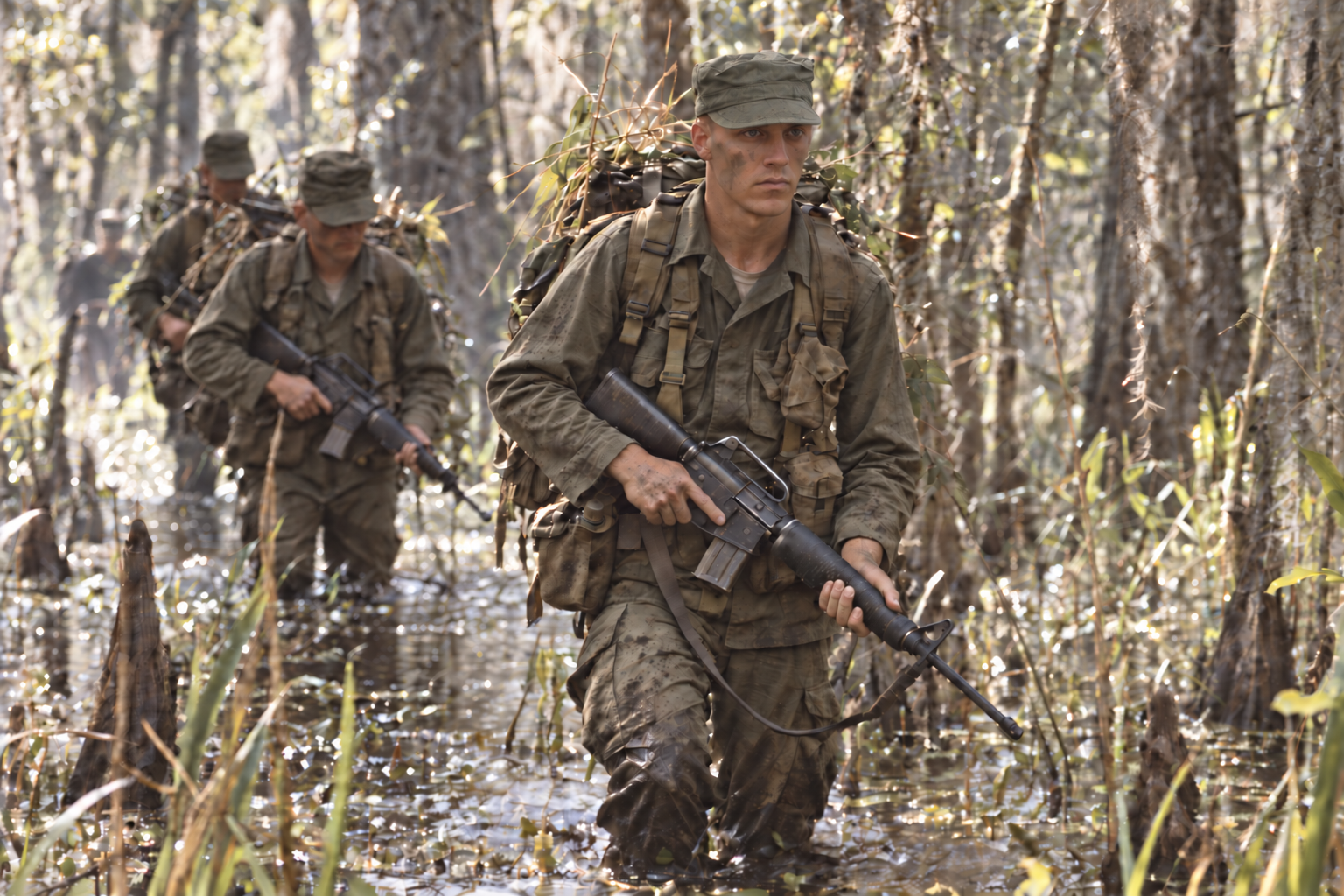
Dale Nowicki’s entertainment-industry experience combines technical advising with legal counsel for film and television companies. He has served as a technical advisor on dozens of television shows and films, drawing on his military, law-enforcement, and aviation background to help creative teams bring authenticity to the screen. His entertainment work has included productions appearing on major television networks and streaming and video-on-demand platforms, as well as major motion pictures and independent films.
Real-World Experience Behind the Screen
Dale’s perspective is grounded in U.S. Army service in special operations and nearly 20 years of street patrol in Los Angeles with the Los Angeles County Sheriff’s Department. He is also a commercial helicopter pilot. Together, these experiences provide a practical understanding of operational environments, professional responsibilities, and decision-making under pressure. That background helps him recognize details that can make a portrayal convincing: how people communicate, respond to uncertainty, interact with the public, and work within a chain of command. Authenticity involves more than equipment and terminology; it also requires an understanding of the people, judgment, and circumstances behind the action.
What a Technical Advisor Does
A technical advisor helps writers, directors, actors, and production teams translate specialized real-world experience into believable storytelling. For military and law-enforcement productions, that can include reviewing scripts, explaining procedures, refining dialogue, and advising on professional conduct, uniforms, equipment, and the way a scene unfolds. Technical advisors help identify actions or details that would appear implausible to an experienced viewer and suggest alternatives that preserve the creative intent. They can also help performers understand a character’s responsibilities, mindset, and relationships with colleagues, supervisors, and the public. The role requires balancing accuracy with storytelling. A production may compress events or simplify procedures for dramatic effect. An effective advisor explains the real-world context and helps the creative team make informed choices while respecting the needs of the story.
Film and Television Legal Counsel
Separately from his technical-advisory work, Dale has served as production counsel for film and television companies. His experience includes above-the-line and below-the-line contracts, negotiations, clearances, and labor issues. Production counsel addresses the legal and contractual framework that allows a project to move forward. This work involves clarifying rights and responsibilities, documenting agreements, and helping resolve questions that arise during development and production. It requires attention to both legal obligations and the practical demands of schedules, budgets, and collaboration.
Contracts, Clearances, and Production Issues
Above-the-line agreements generally concern the principal creative participants, such as writers, directors, producers, and lead performers. Below-the-line agreements generally address crew, technical personnel, and production services. Depending on the agreement, counsel may address compensation, services, scheduling, credits, ownership, and rights to use the resulting work. Clearance work concerns whether a production has the necessary rights or permissions to use particular material. That can involve scripts, music, photographs, footage, artwork, locations, or portrayals of identifiable people. Counsel helps identify legal questions and determine what permissions, releases, or further review may be needed. Labor issues can involve employment terms, working conditions, and applicable union or guild requirements. Production counsel helps the team understand and address those obligations as they apply to the project.
Technical advising and legal counsel serve different purposes: one supports the credibility of the portrayal, while the other addresses the production’s legal relationships and obligations. Dale’s experience spans both disciplines.
Helping Veterans Transition Into Entertainment
Dale also serves on the board of a nonprofit dedicated to introducing military veterans to the entertainment industry and providing training to support their transition into it. Military experience can provide a strong foundation for production work, including teamwork, adaptability, leadership, and performance under pressure. Moving into entertainment also requires familiarity with a new industry’s roles, expectations, and working practices. The organization’s mission connects veterans’ existing strengths with training that helps them pursue a new professional direction. This board service brings together two enduring parts of Dale’s background: supporting fellow veterans and contributing to film and television.